Data assimilation, encompassing methods such as the ensemble Kalman filter (EnKF), variational approaches, and emerging techniques in machine learning and AI, is applied in diverse domains such as atmospheric, oceanic, hydrologic, biomedical, biologic, and petroleum reservoir systems. By providing a platform for thought-provoking presentations and meaningful discussions, the workshop seeks to foster collaboration among practitioners, researchers, and students. Together, we will showcase cutting-edge research findings, exchange practical insights, and collectively explore uncharted territories by identifying crucial challenges in data assimilation methods, its applications, and optimal decisions. Join us to deepen your knowledge, expand your network, and contribute to the advancement of data assimilation science.
Venue
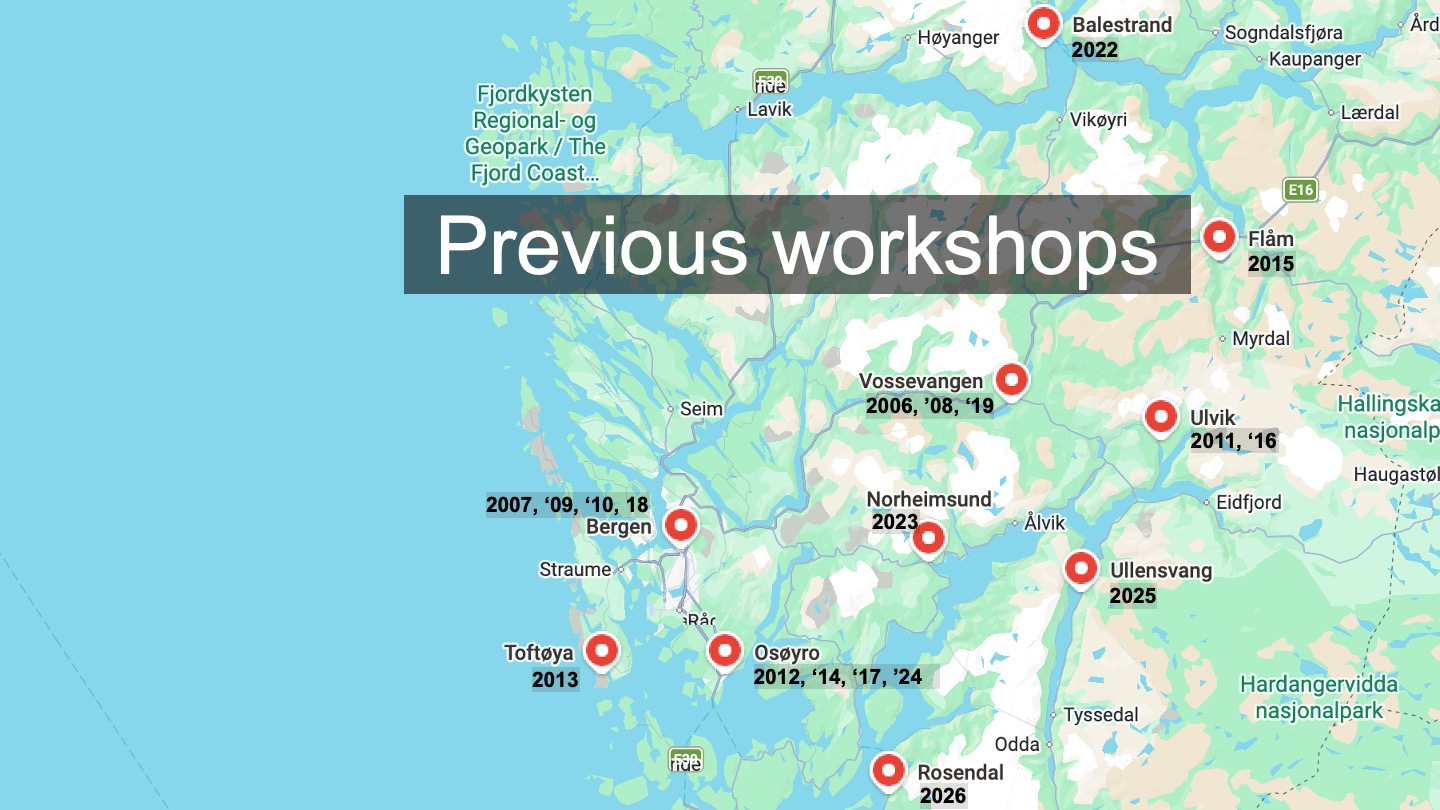
- Rosendal Fjordhotel, Norway.
- June 15 - 18, 2026.
- The local climatology
- Physical attendance only (no virtual participation or videoconferencing).
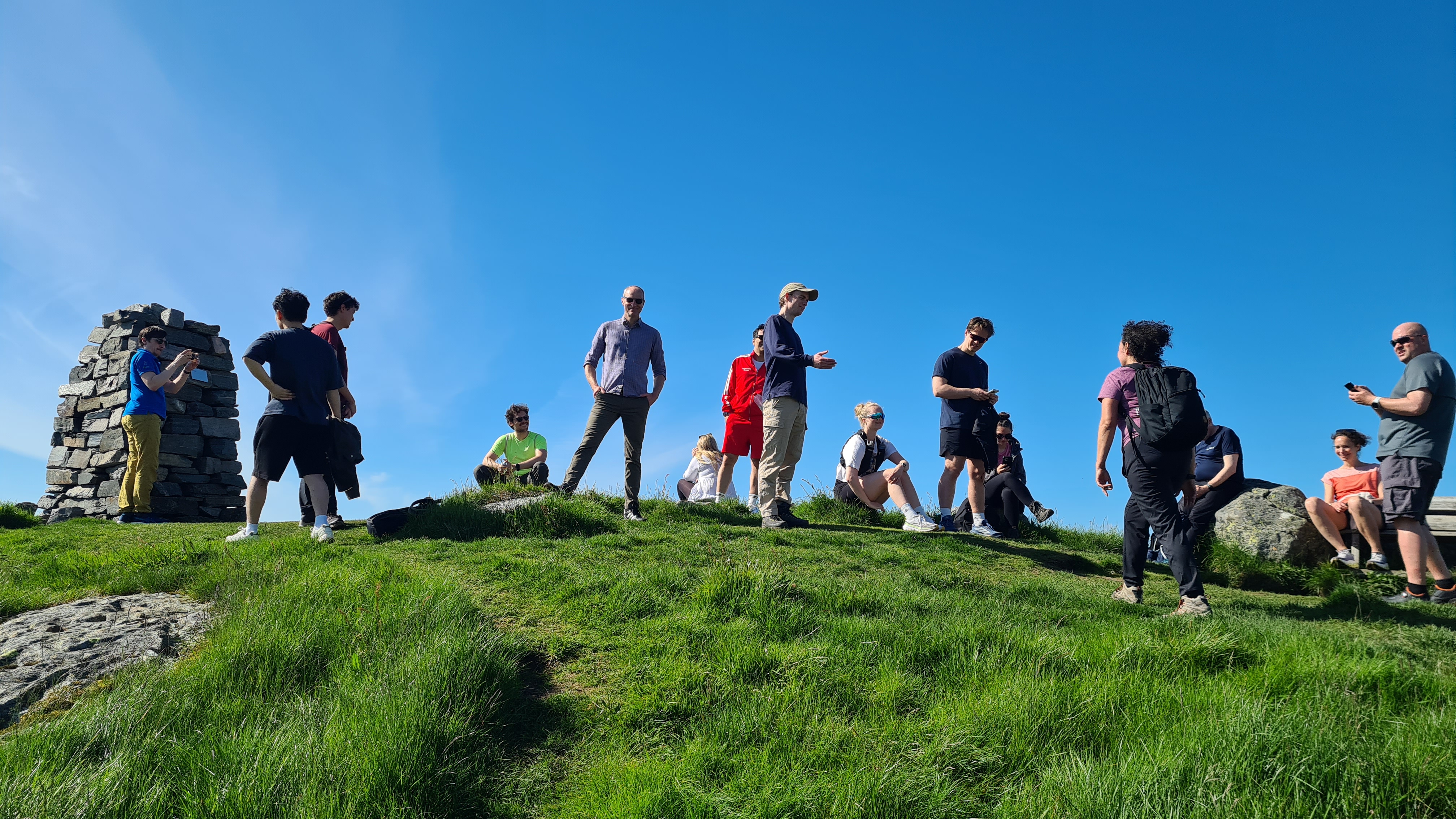
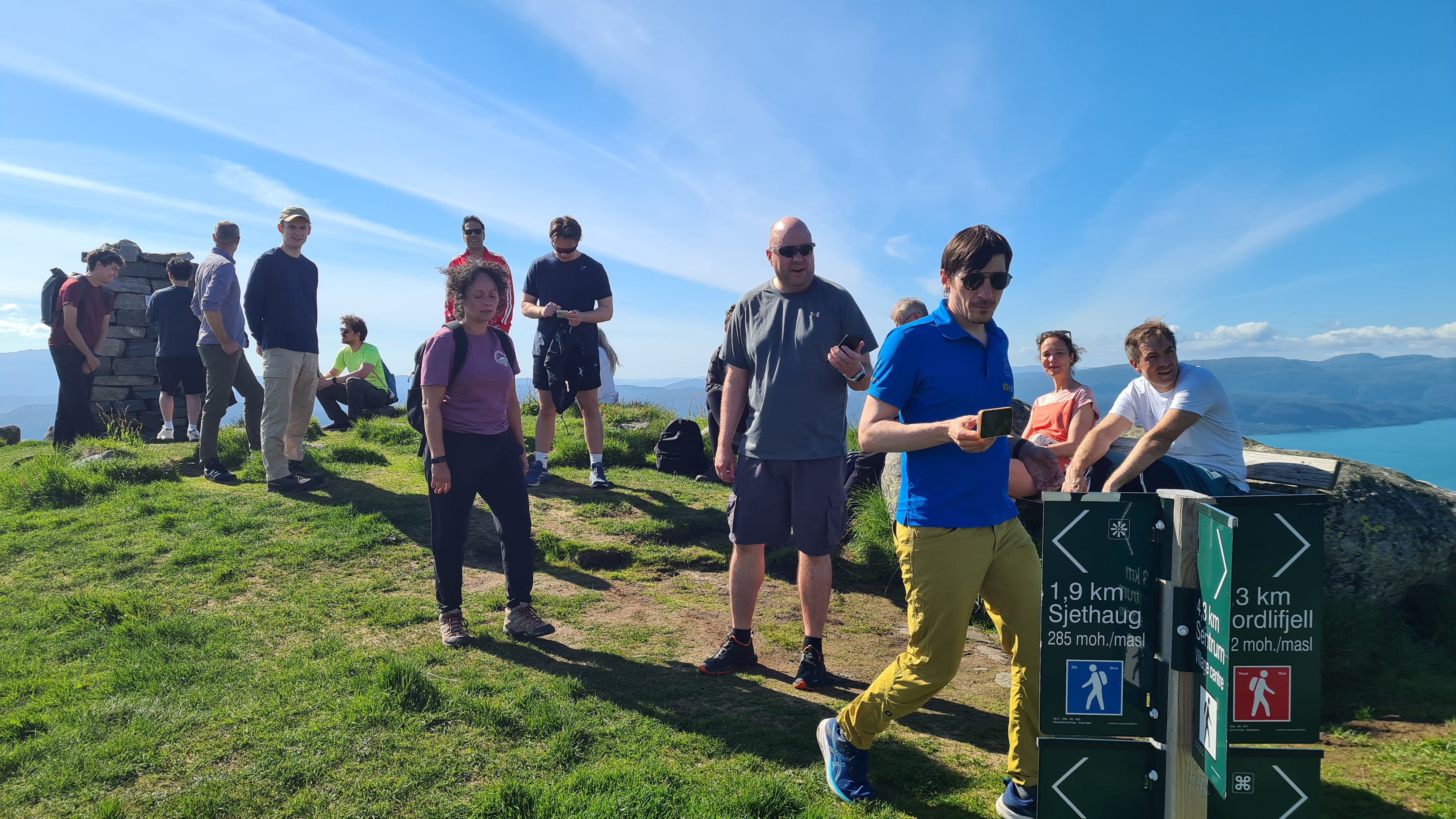
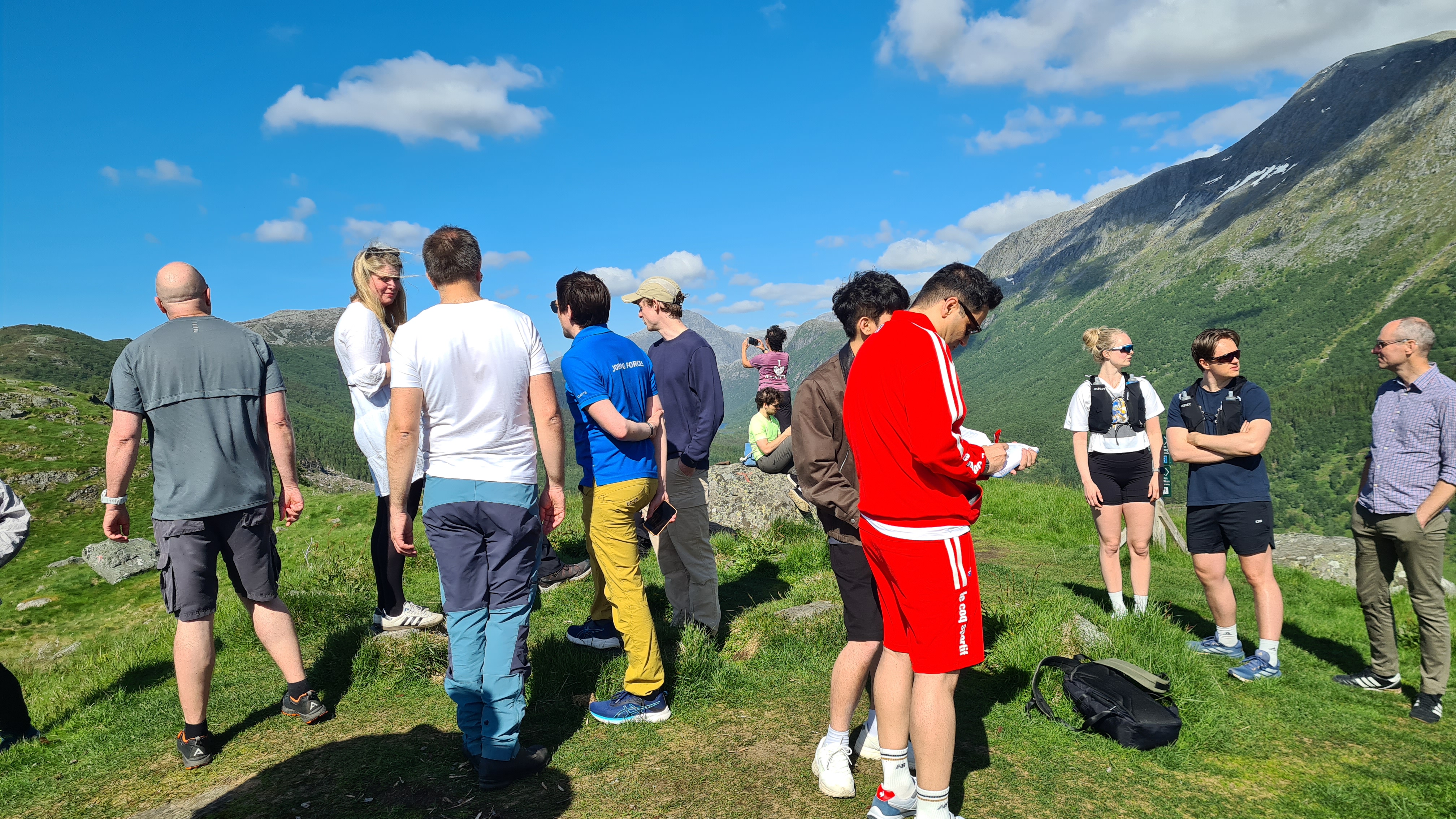
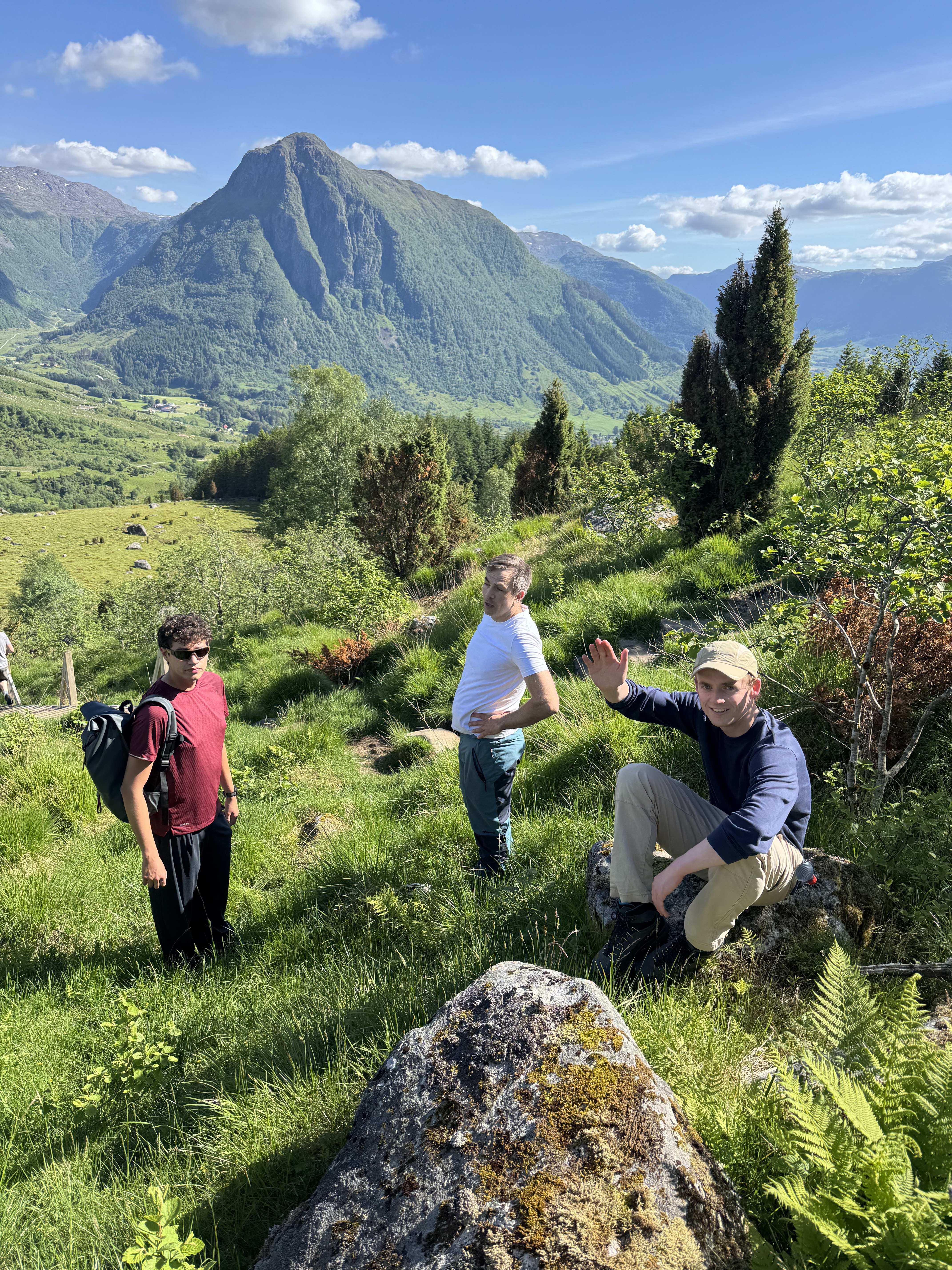
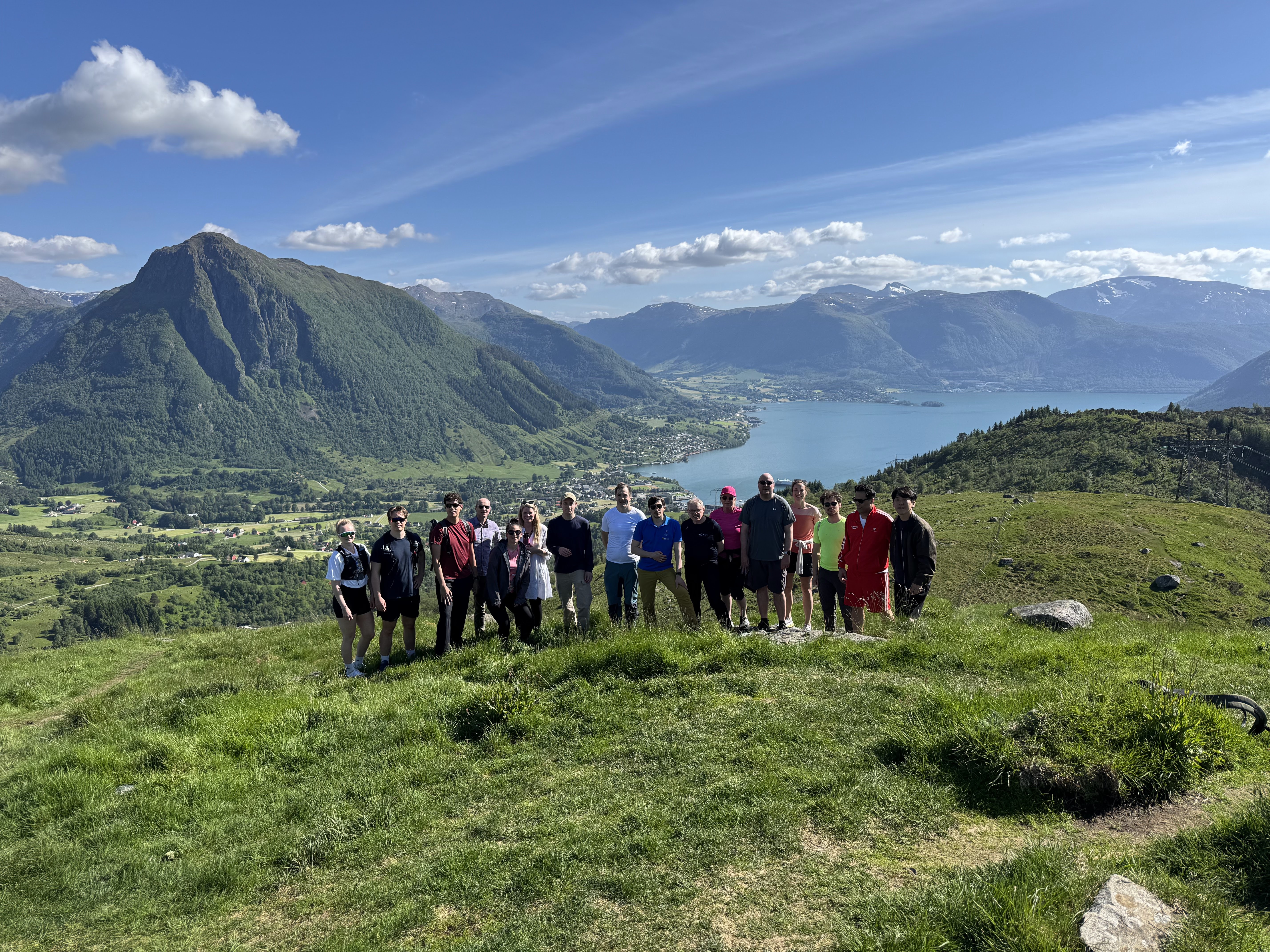
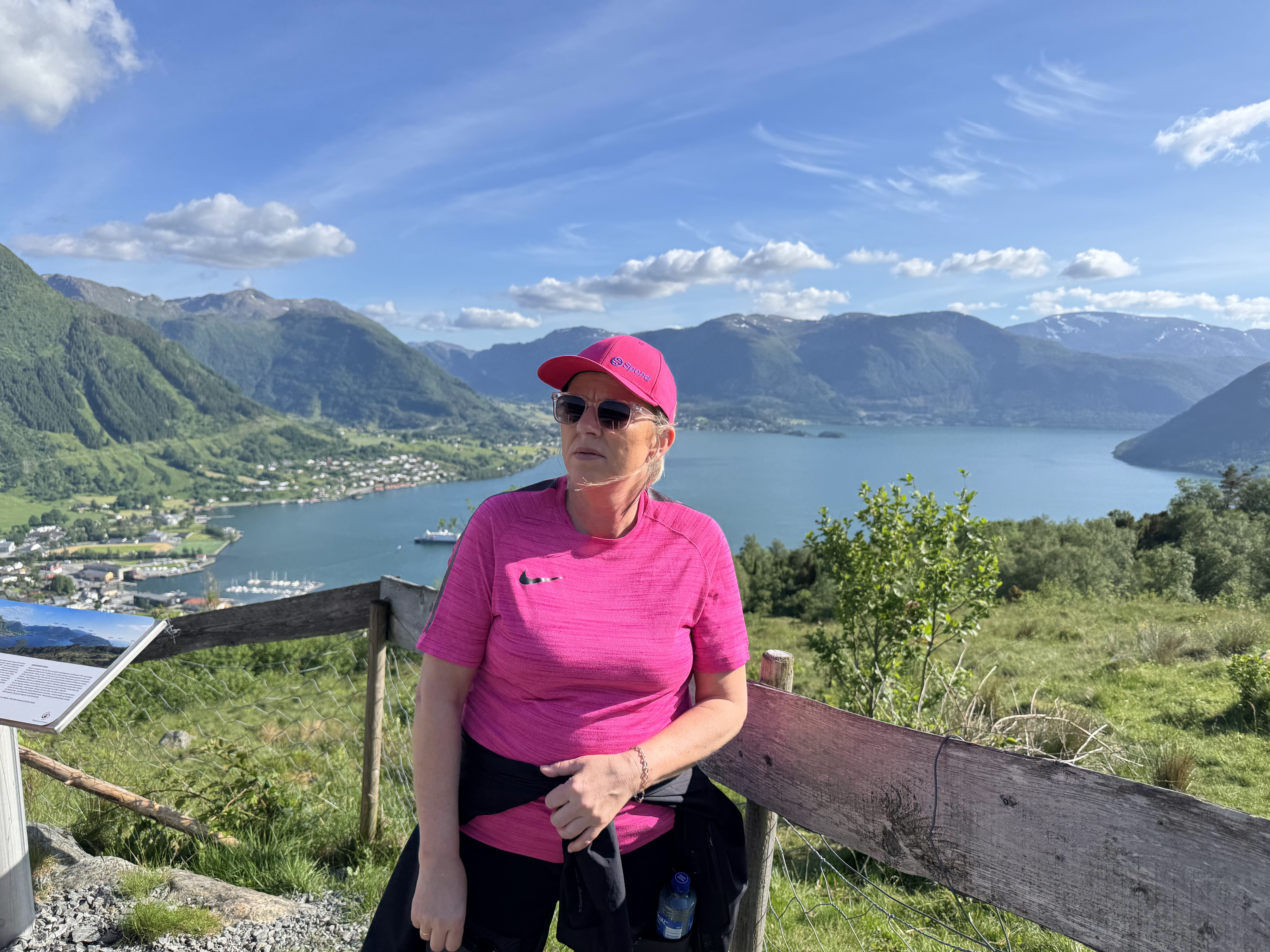
- There are excellent hiking opportunities in the area, and the program includes a guided hike, possibly including vistas of the Folgefonna glacier.
- There are quite a few other activities suggested by the hotel.
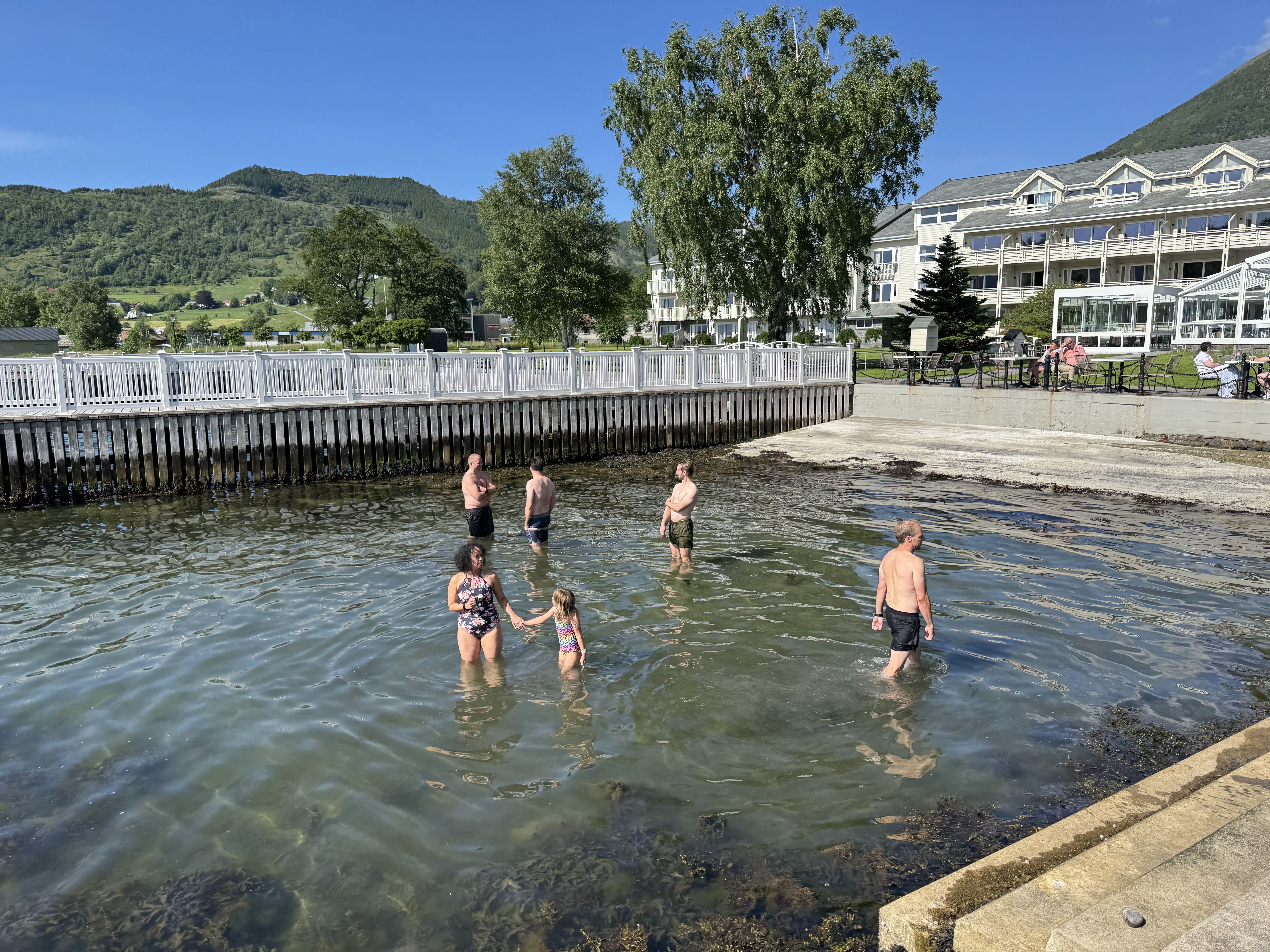
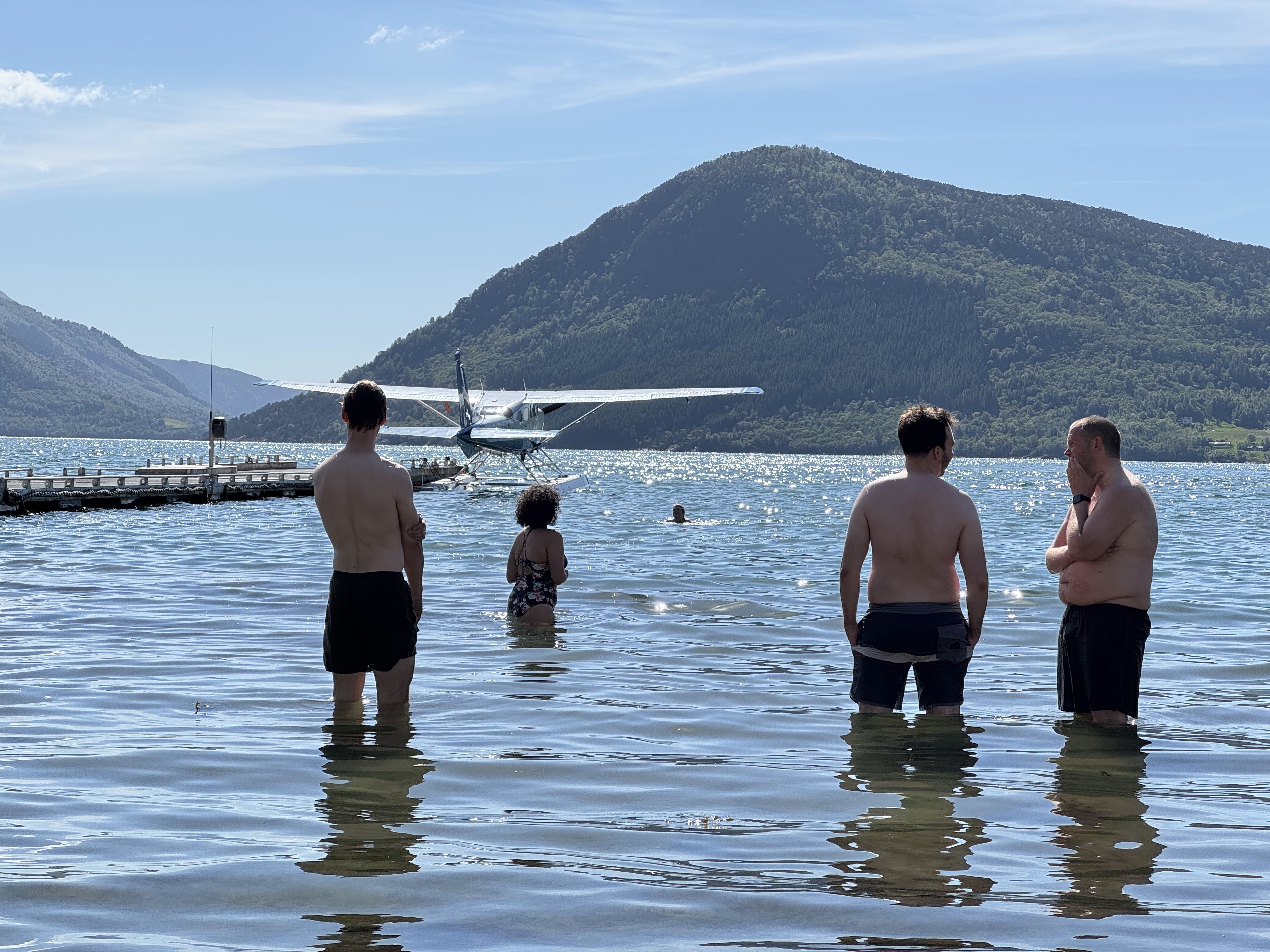
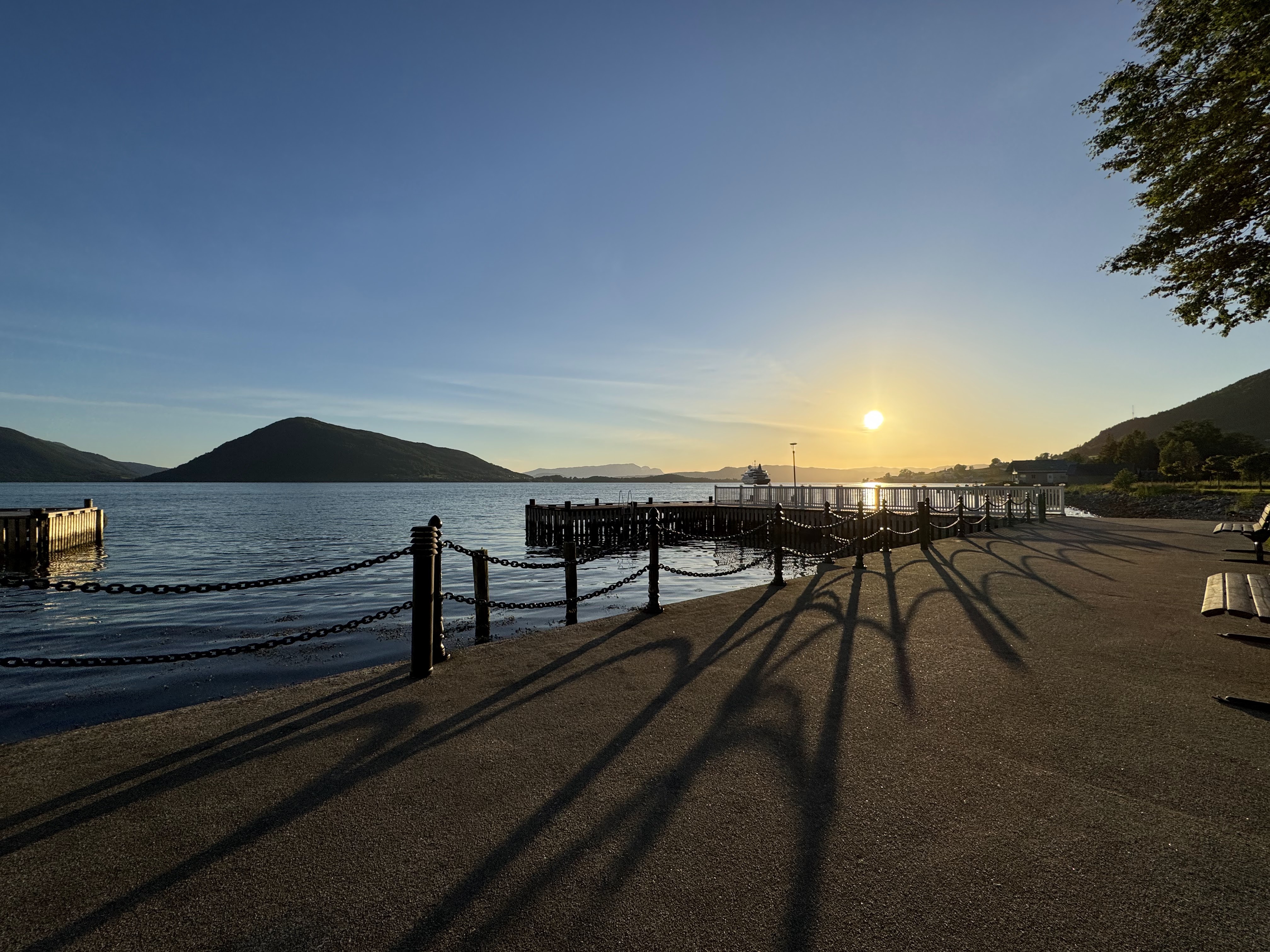
- The hotel has access to the fjord for daring swimmers.
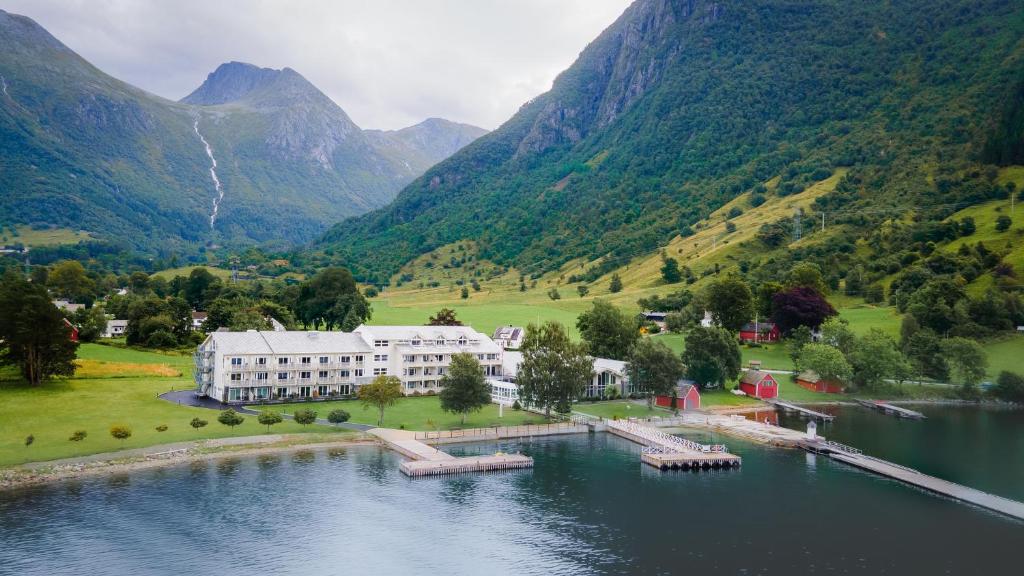
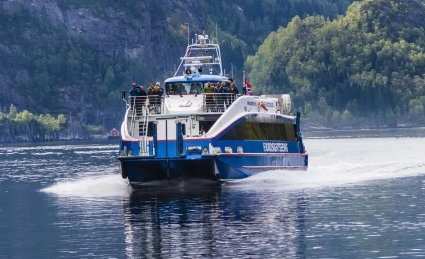

Travel to the conference hotel by ferry from Bergen harbour is included with the conference fee, idem for the chartered bus on the return (exact time/place to be communicated by email).
Important
Inbound flights (or train) to Bergen will need to be on June 14 or earlier; outbound on June 18, 12:30pm or later. Each participant is responsible for making these arrangements after paying the registration fee.
Program
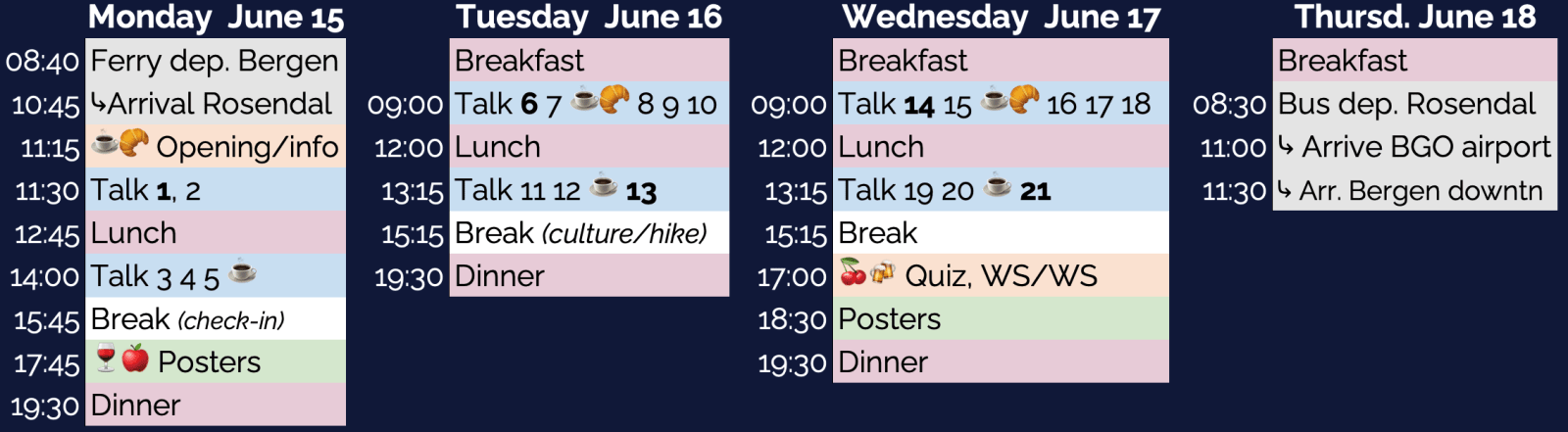
- The WS/WS will be a communal effort to advance DA research and applicability.
- Posters are on display throughout the workshop, and should be presented during both poster sessions. Size: max A0, preferably upright (portrait).
- Talks should have a run time of 22 min, to be followed by 8 min. Q&A.
Invited speakers
-

Lili Lei
Nanjing University, China
Integration of deep learning with ensemble-based data assimilation -

Matthias Morzfeld
Scripps Institution of Oceanography, UC San Diego, USA
Neural ensemble Kalman filter: Data assimilation for compressible flows with shocks -

Jana de Wiljes
TU Ilmenau, Germany
Sequential Learning Methods for High-Dimensional Data Assimilation -

Alexandre A. Emerick
Petrobras Research Center, Brazil
Correlation-Based Localization for Subsurface Applications -

Geir Evensen
NORCE, Norway
Controlling inflow boundary conditions in a lattice Boltzmann LES model for urban flows
Presentations
Note
This conference does not publish papers or proceedings.
| Jakob Böttcher | poster | Development of an Ensemble-Based Data-Assimilation System for CO2 Fluxes Using ICON-ART |
| Niklas Becker | poster | Concurrent data assimilation of methane concentrations and fluxes |
| Hayoung Kim | poster | Development of Deep Learning-based Inverse Model using Impedance-Domain Dynamic Data |
| Youmin Tang | poster | Recent Progress in Machine Learning Data Assimilation |
| Vinicius Luiz Santos Silva | poster | Practical machine learning-enhanced localization to mitigate variance loss in ensemble data assimilation |
| Dohyeop Yoo | poster | Assimilation of SWOT-Derived Surface Geostrophic Currents in the Northwestern Pacific Ocean and marginal seas |
| Amirhossein Maktabi | poster | Assimilation of Along-Track Sea Level Anomaly Data Using Ensemble Optimal Interpolation in the Northwestern Pacific Ocean |
| Xiaojing Li | poster | Quantifying the Role of Tropical Indian Ocean Observations to Central Pacific El Niño Prediction |
| Maximilian Ramgraber | poster | Interval-Based Uncertainty Quantification for Non-Identifiable Groundwater Models |
| Heebah Saleem | poster | Diffusion-Based Geomodel Outpainting for Geosteering |
| Kate Boden | poster | Beyond Inflation: Backscatter Parameterizations to Address the Variability Deficit in Global Ocean Data Assimilation |
| Olwijn Leeuwenburgh | poster | Value of information through inversion |
| Berent Lunde | poster | Sparsity aware and adaptive triangular transport |
| Yanqiu Gao | poster | A Method for Estimating Geographically Dependent Model Tendency Errors Based on the Ensemble Adjustment Kalman Filter |
| Kyle Ivey | poster | Adaptive and accuracy-aware multiple data assimilation |
| Ryne Beeson | poster | Optimal Nudging Particle Filters: Advances, Variational Hybrids, and Model Balance |
| David Plazas | poster | Inflow Estimation and Sensor Placement in High-Resolution Urban Wind Flows |
| Zahra Mehraban | poster | Parameter Estimation in Urban LES Using Ensemble Smoother with Multiple Data Assimilation |
| Léa Dervieux | poster | Sex as an Independent Predictor of Vasopressor Requirement in Non-Cardiac Surgery |
| Hibat Errahmen Djecta | poster | Decision Transformers trained on stochastic drilling trajectories with Particle-Filter State Estimation for Geosteering |
| Mathias Methlie Nilsen | poster | Adjoint-based Ensemble Data Assimilation |
| Rolf J. Lorentzen | poster | Robust Constrained Optimization for Emission-Free Reservoir Operation Integrating Wind Power and Hydrogen Storage |
| Matthias Morzfeld | poster | Using Diffusion Models to do Data Assimilation |
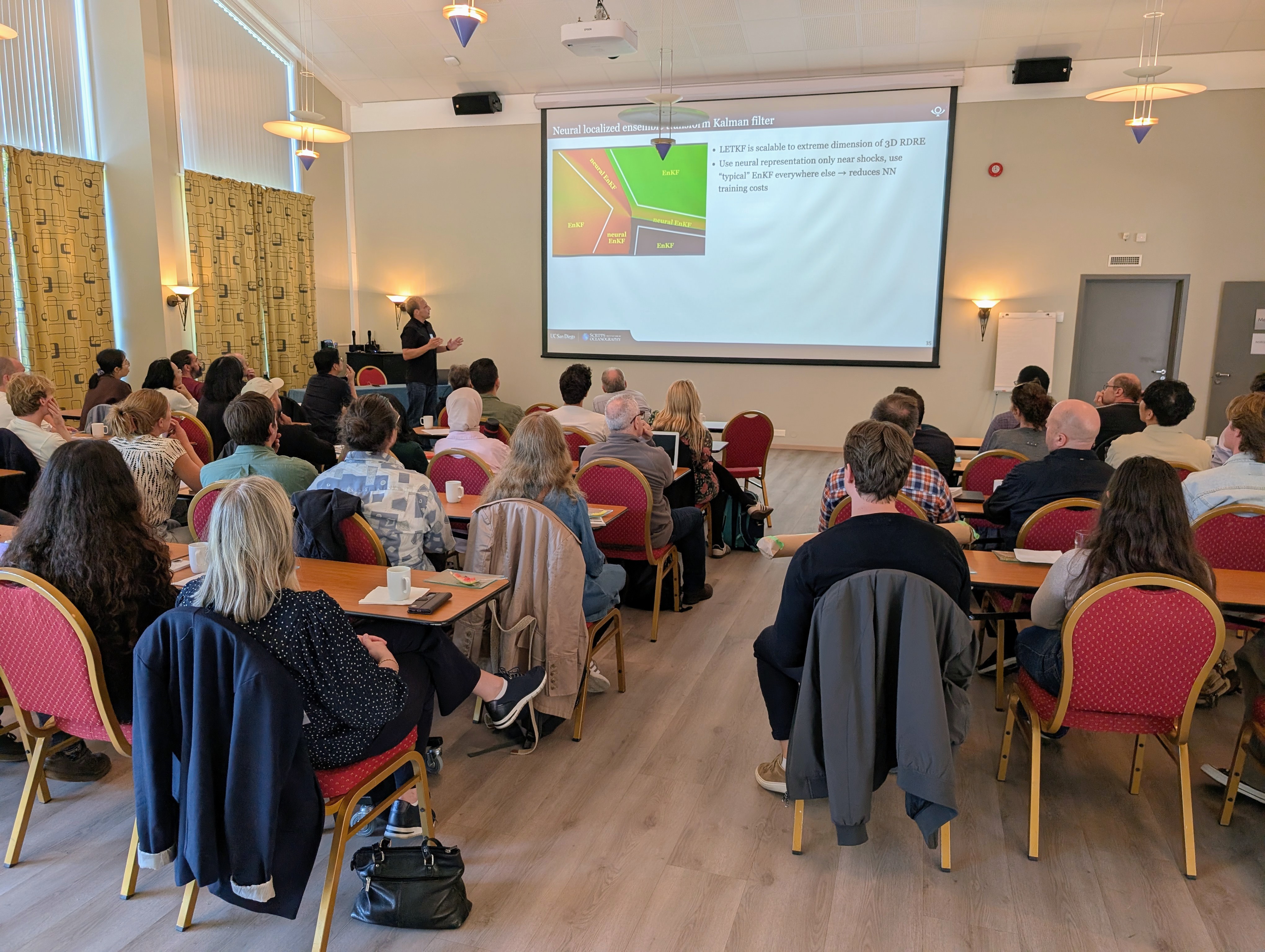
| Matthias Morzfeld | talk | Neural ensemble Kalman filter: Data assimilation for compressible flows with shocks |
| Geir Nævdal | poster | Heterogenous Tumor Microenvironment in Non-Small Cell Lung Cancer derived from Fluorodeoxyglucose Positron Emission Tomography (FDG-PET) Data |
| Geir Nævdal | talk | Heterogenous Tumor Microenvironment in Non-Small Cell Lung Cancer derived from Fluorodeoxyglucose Positron Emission Tomography (FDG-PET) Data |
| Max Frei | poster | Creating Good Ensembles for High-Resolution Data Assimilation |
| Max Frei | talk | Creating Good Ensembles for High-Resolution Data Assimilation |
| Thomas Trigo Trindade | poster | Dynamical Low-Rank Approximations for Kalman Filtering |
| Thomas Trigo Trindade | talk | Dynamical Low-Rank Approximations for Kalman Filtering |
| Kristian Fossum | talk | Laplace's approximation for subsurface applications |
| Geir Evensen | talk | Controlling inflow boundary conditions in a lattice Boltzmann LES model for urban flows. |
| Nikolaj Takata Mücke | talk | Ensemble Smoothing for Joint State and Parameter Estimation in Turbulent Urban Flows |
| Haroldo Fraga de Campos Velho | poster | Cycling LETKF for a flow-matching neural NWP model |
| Haroldo de Campos Velho | talk | Cellular neural network for data assimilation: Asymptotic behavior |
| Gilson Moura Silva Neto | talk | Ensemble Information Filter for Seismic‑Horizon History Matching: Plausible, Spatially Coherent Updates without Tuning |
| Laurent Bertino | talk | End-to-end forecast of the Arctic sea ice initialised directly from observations |
| Timothy Smith | talk | Nested-EAGLE: A Data Driven Global Weather Model with High Resolution over the US |
| Sergey Alyaev | talk | Progressive Generative Geomodeling with Ensemble Filtering for Synthesizing Deep-RL and Algorithmic Geosteering Policies |
| Jana de Wiljes | talk | Sequential Learning Methods for High-Dimensional Data Assimilation |
| Lili Lei | talk | Integration of deep learning with ensemble-based data assimilation |
| Konstantin Ibadullaev | talk | From Filtering to Inversion: Kalman-Based Methods for Nonlinear Parameter Estimation in Geotechnics |
| Femke C. Vossepoel | talk | What determines the success of ensemble data assimilation methods? |
| Patrick N. Raanes | talk | RMSE vs KLD (log error) |
| Shashank Kumar Roy | talk | Bridging Variational Data Assimilation and Flow Matching for Posterior Sampling |
| Yue (Michael) Ying | talk | New features in NEDAS v1.2.0 and applications in geophysical data assimilation |
| Thomas Navarro | talk | Why Ensemble Cross-Validation in the LETKF Can Catastrophically Fail: Theory and Operational NWEP Evidence |
| Alexandre Anozé Emerick | talk | Correlation-Based Localization for Subsurface Applications |
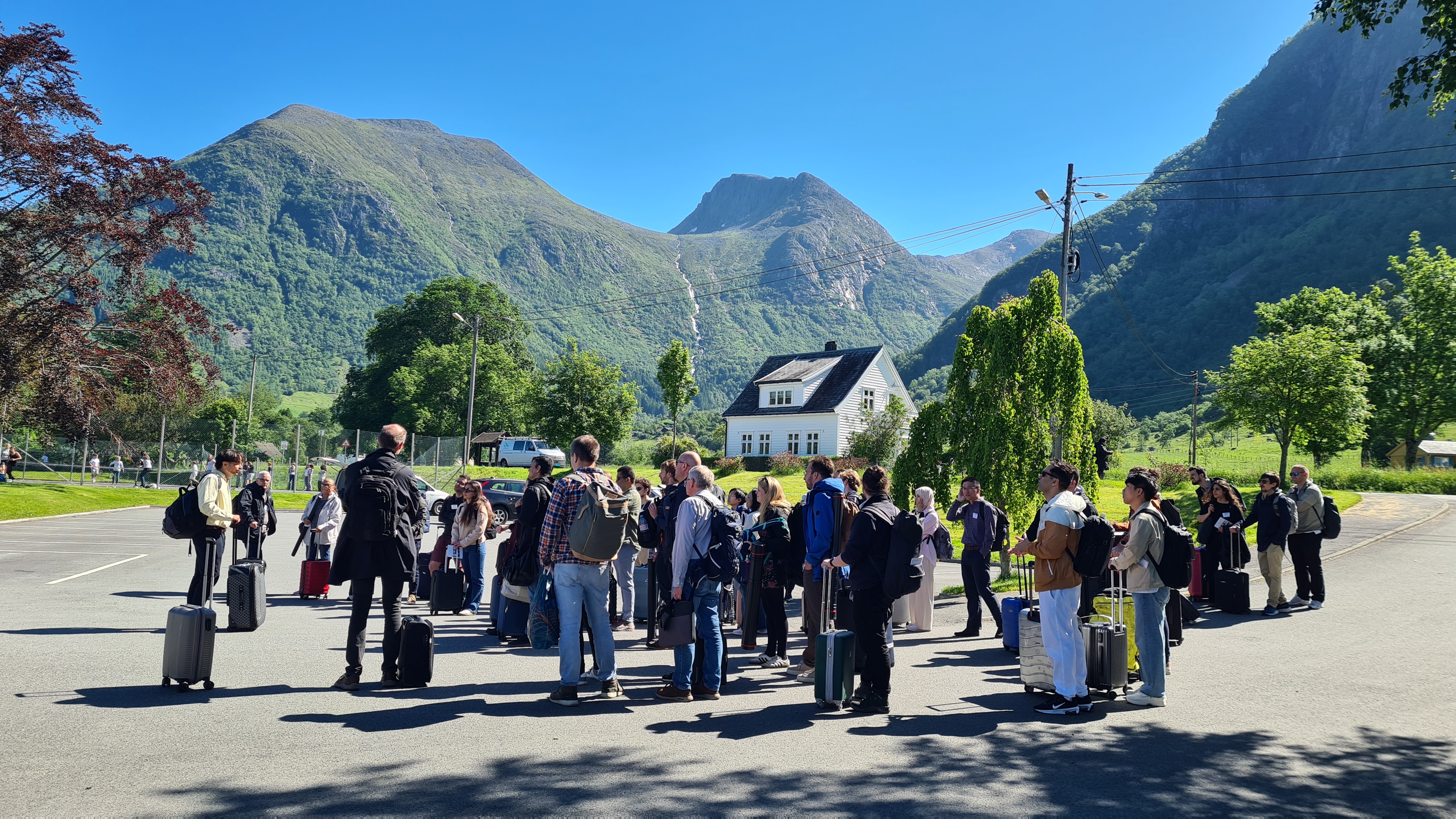
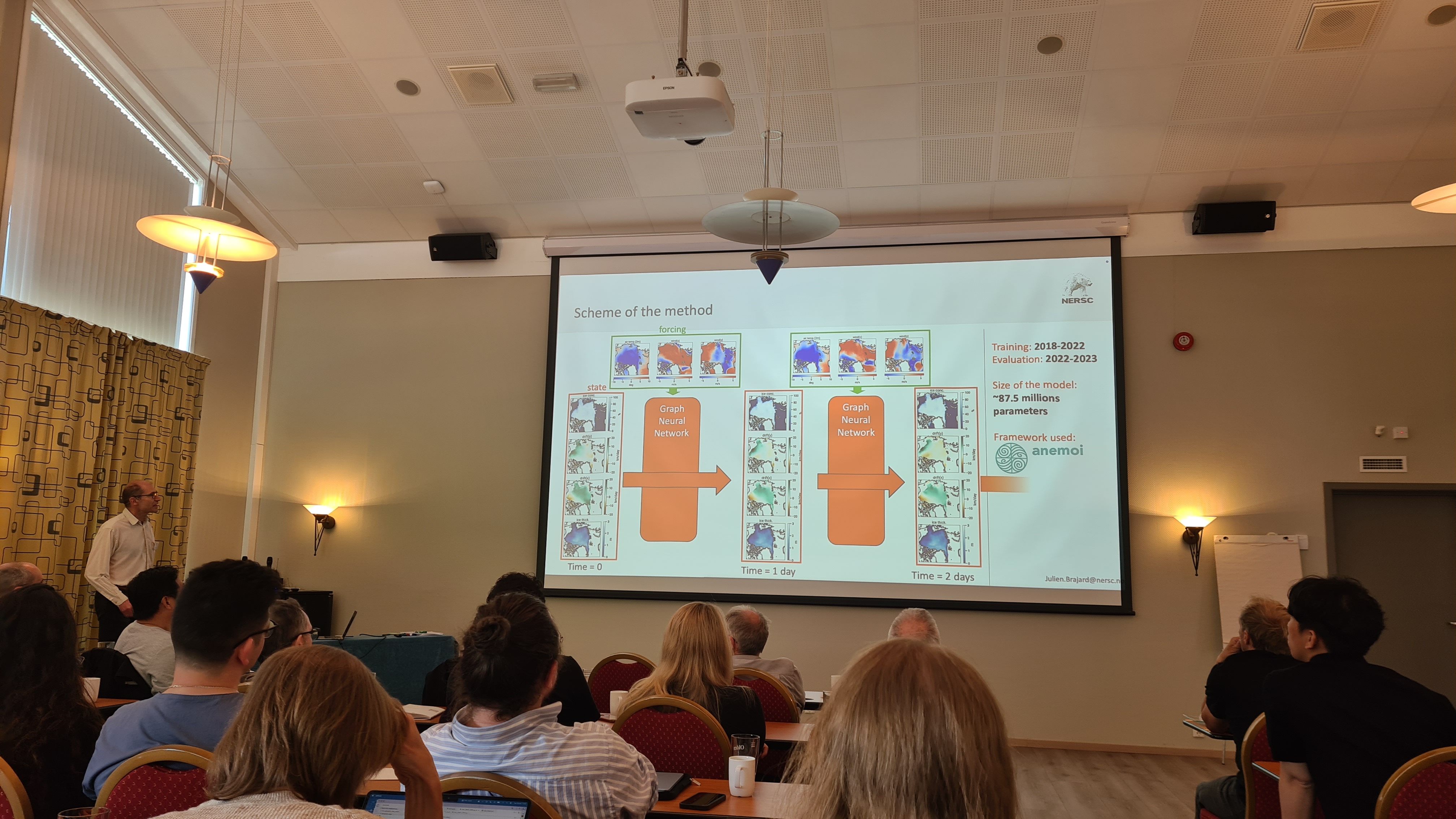
Photos
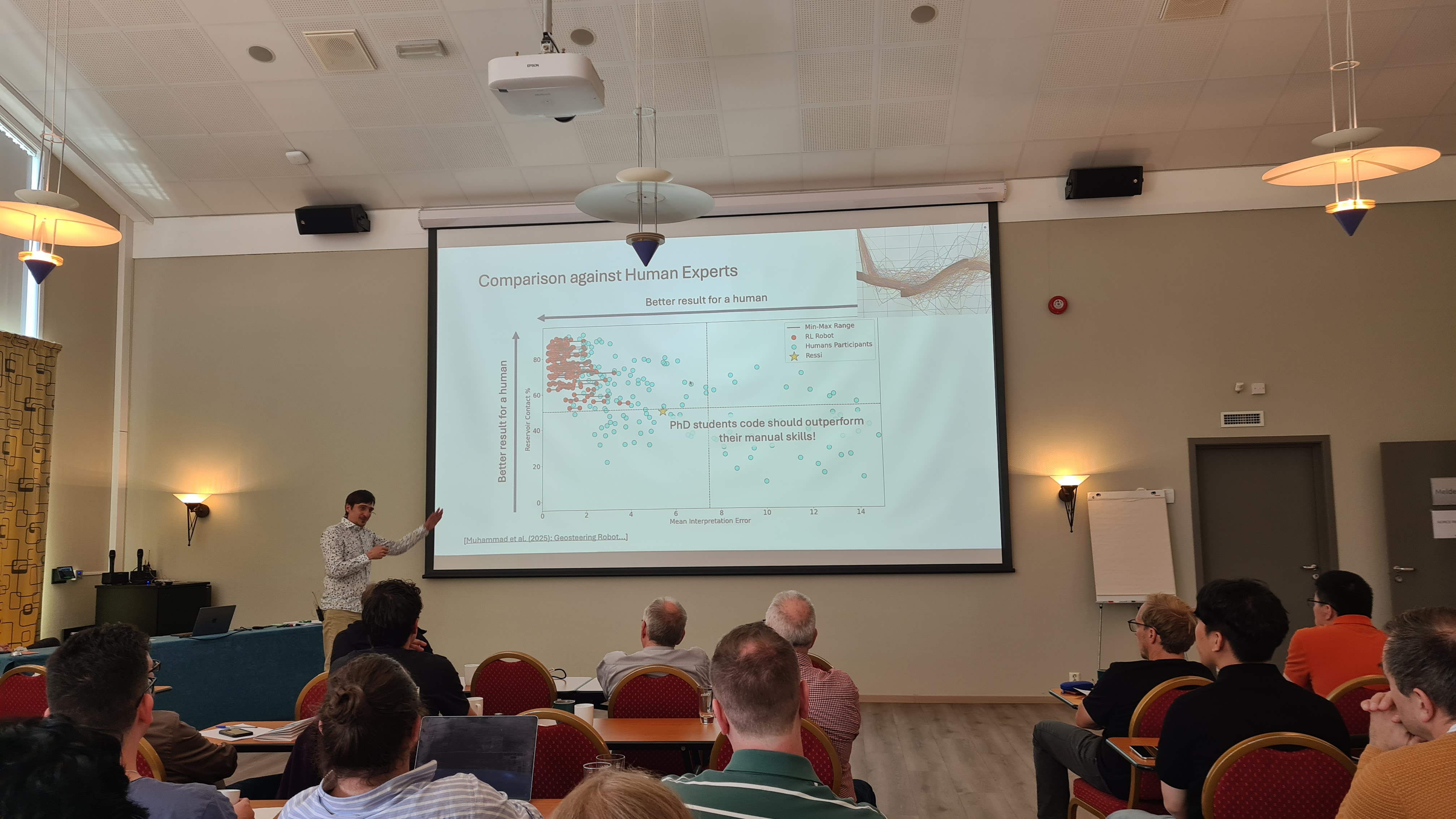
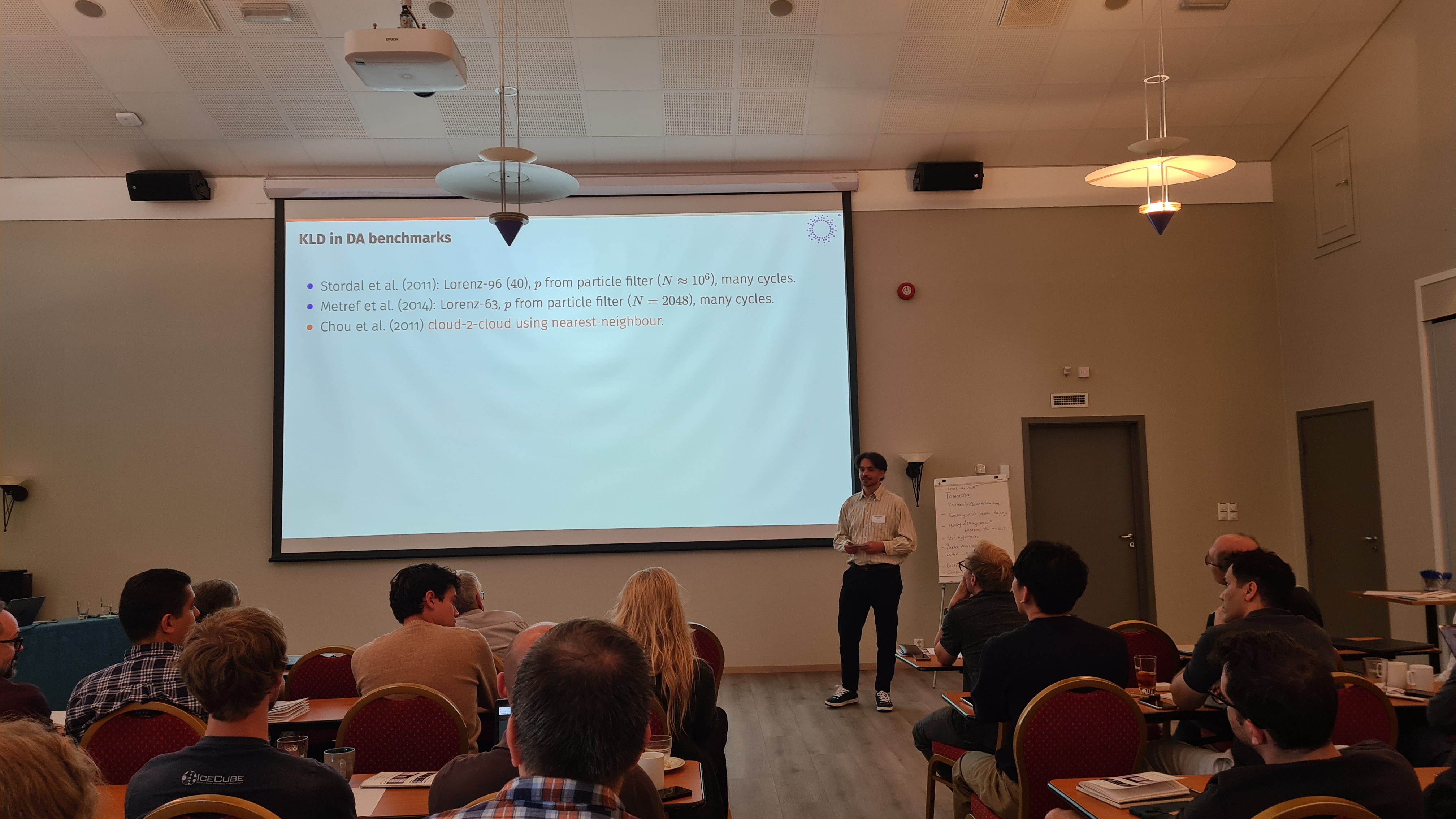
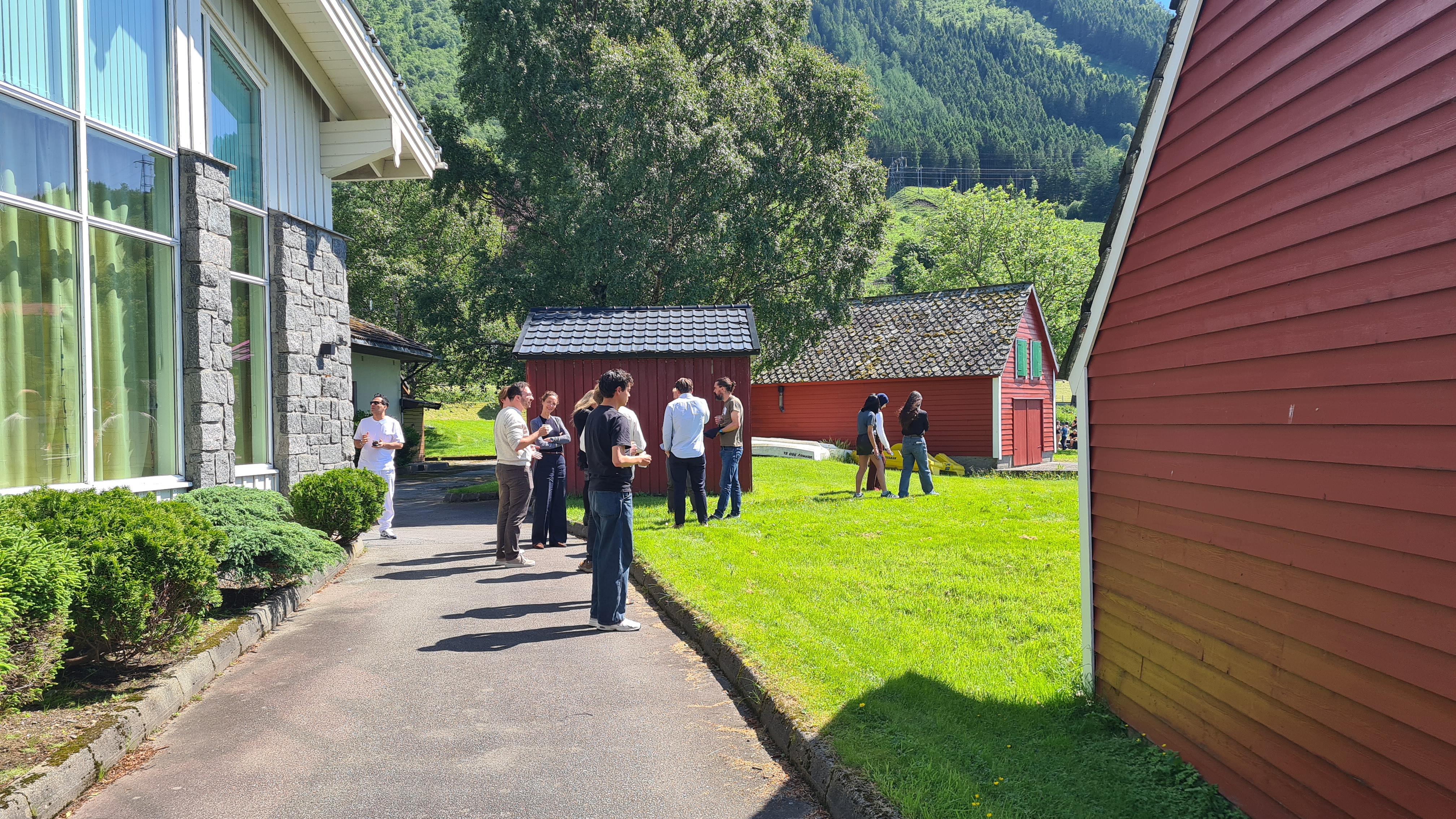
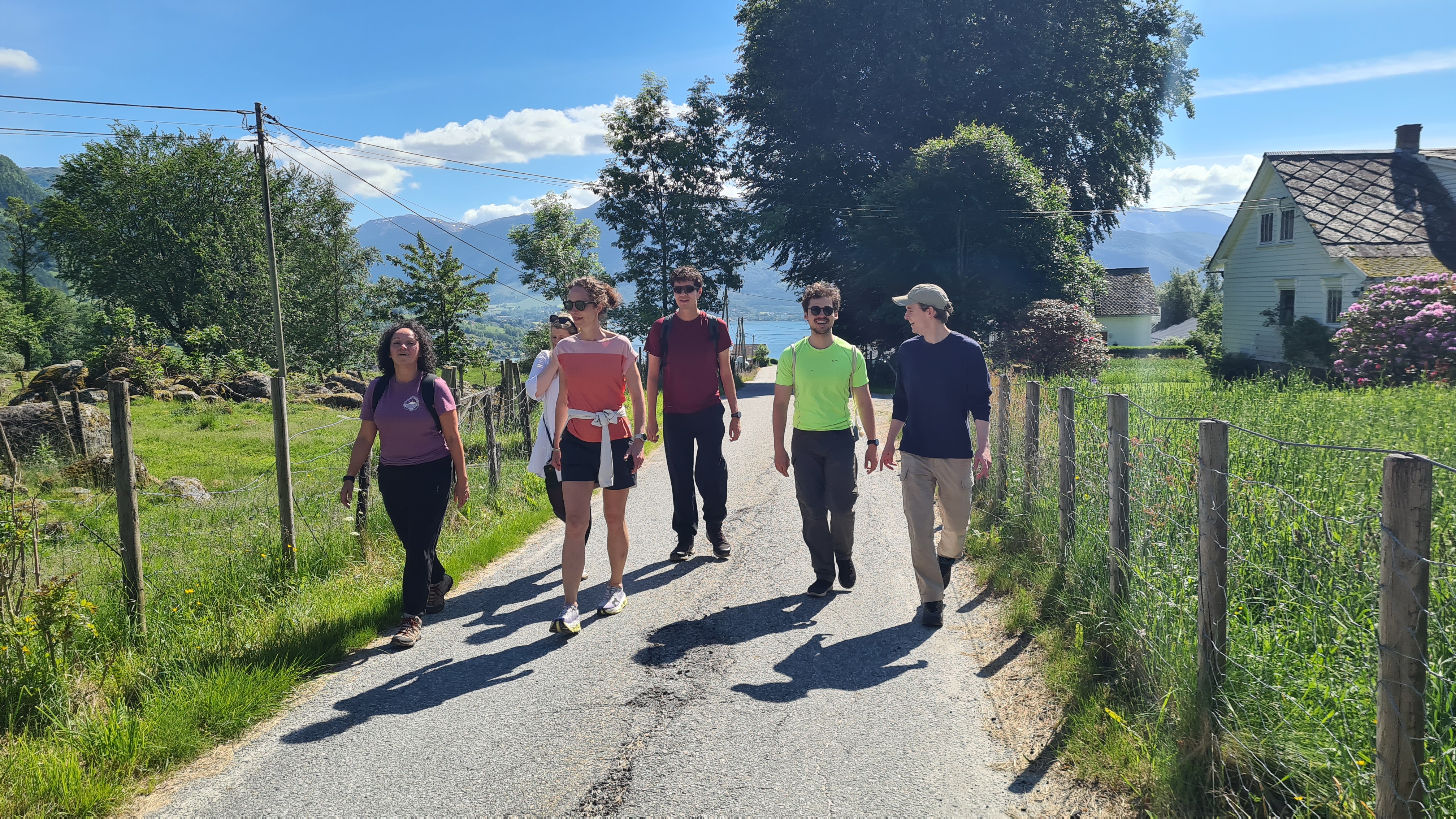

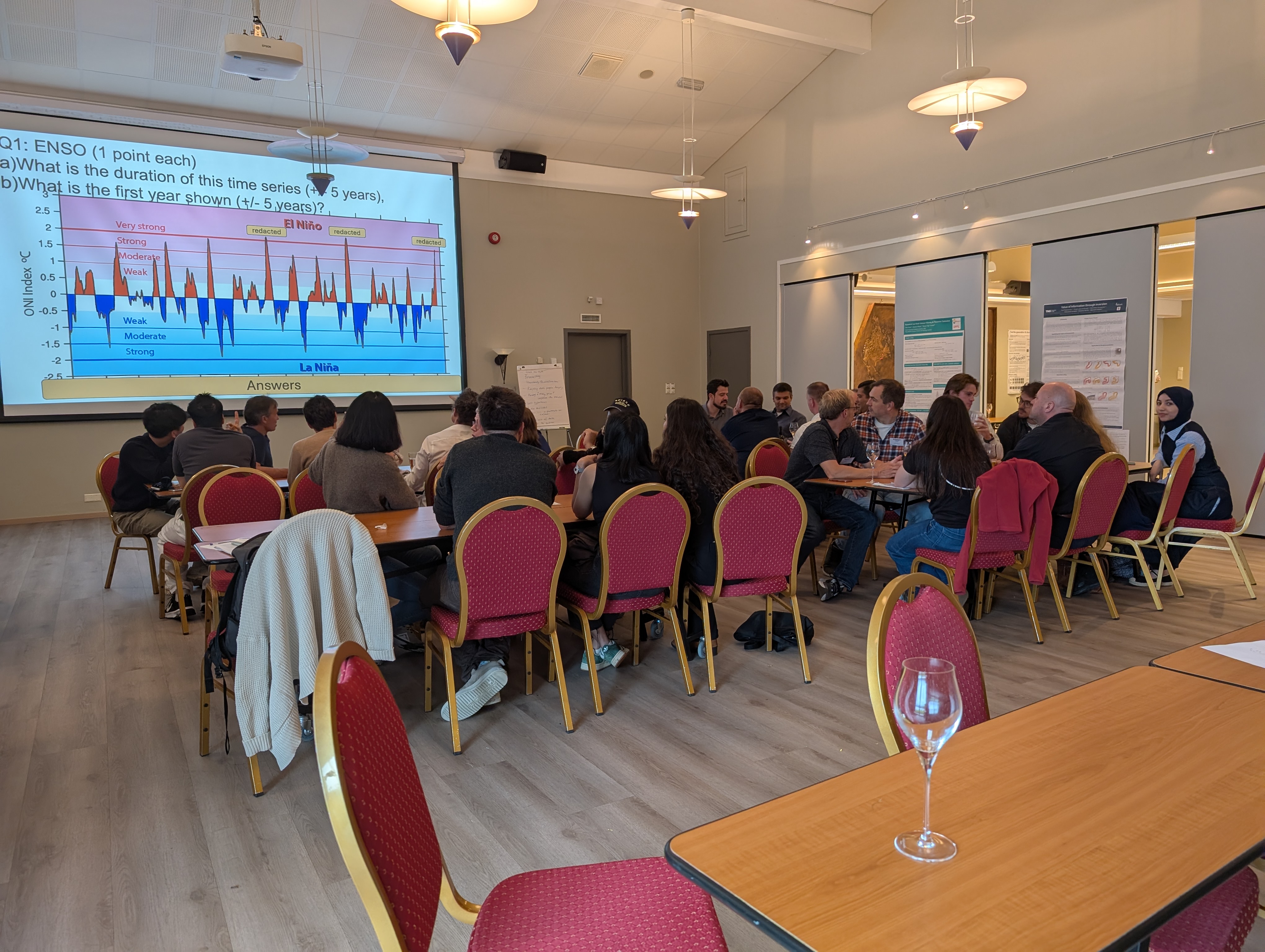
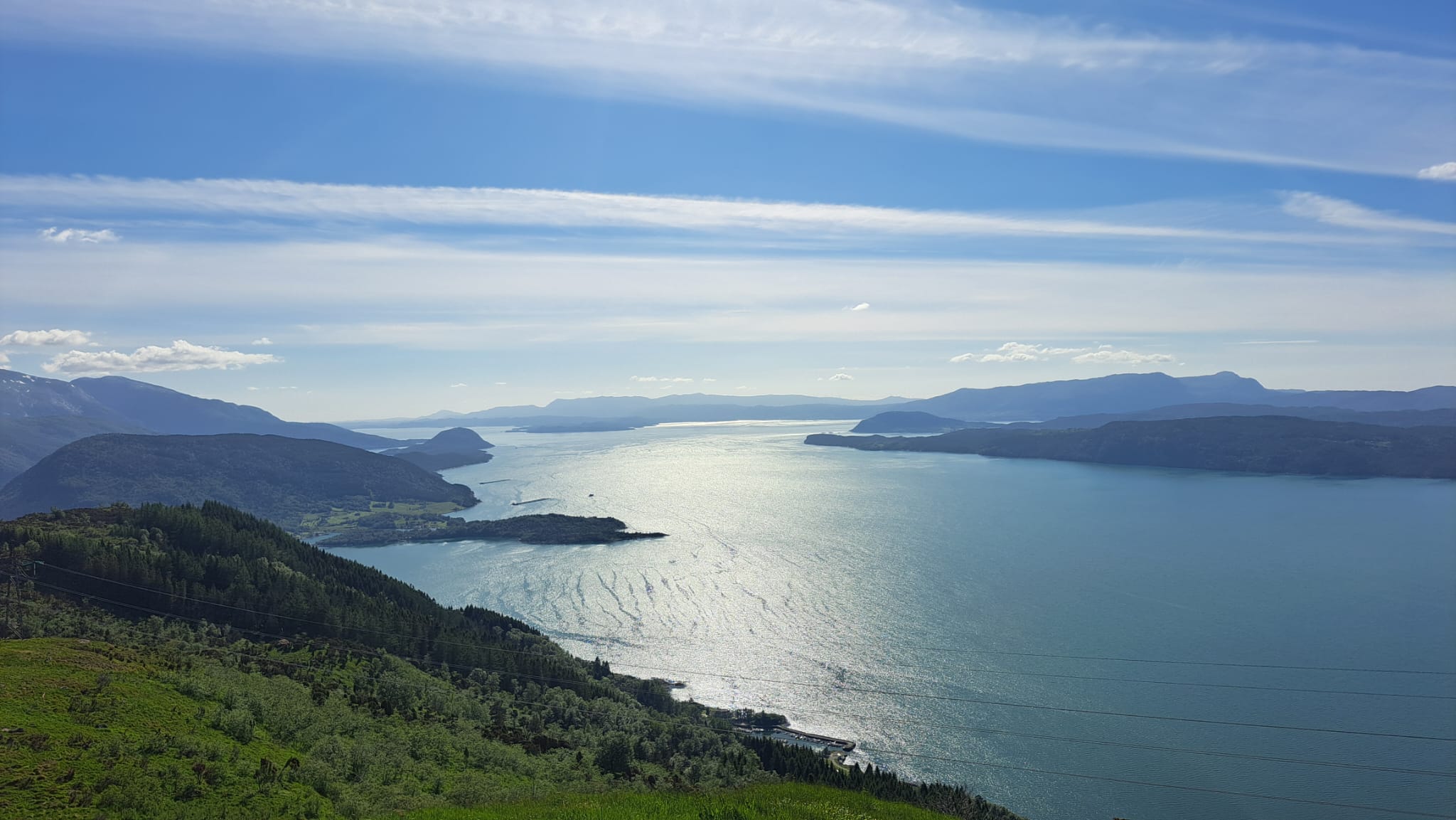
Background
The EnKF is a data assimilation method that was co-invented and has been continuously developed by researchers at NORCE and NERSC. Over the last three decades, ensemble-based and variational data assimilation methods, including EnKF, have become highly effective and widely adopted approaches for integrating data into large-scale models. These advances have made profound impacts across disciplines and industries. The field continues to evolve, with new algorithms, workflows and applications.
Sponsors:

 REMEDY
Please contact enkf@data-assimilation.no if you want to sponsor the workshop.
Purpose
While the fundamental concepts of data assimilation methods are simple, practical implementations often demand problem-specific modifications for success. The EnKF-WS aims to bridge the expertise of specialists from various fields to investigate the foundations and interconnections of ensemble, variational, and hybrid data assimilation methods, as well as new approaches in machine learning and AI, that have demonstrated effectiveness in diverse environments. Beyond practical applications, the gathering also facilitates the exchange of innovative research ideas, methods, algorithms, and workflows with the potential to further advance the performance and scope of data assimilation techniques.
History
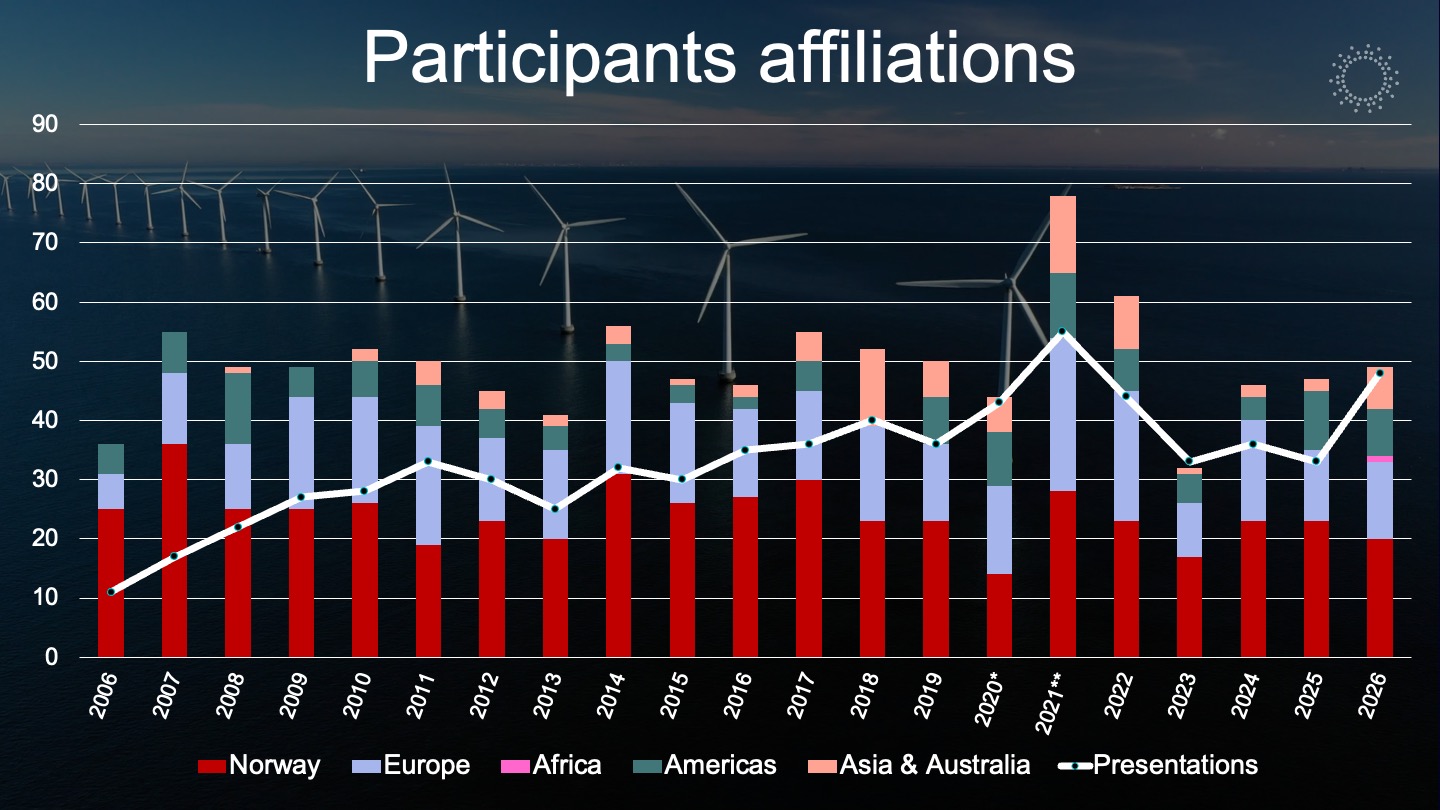
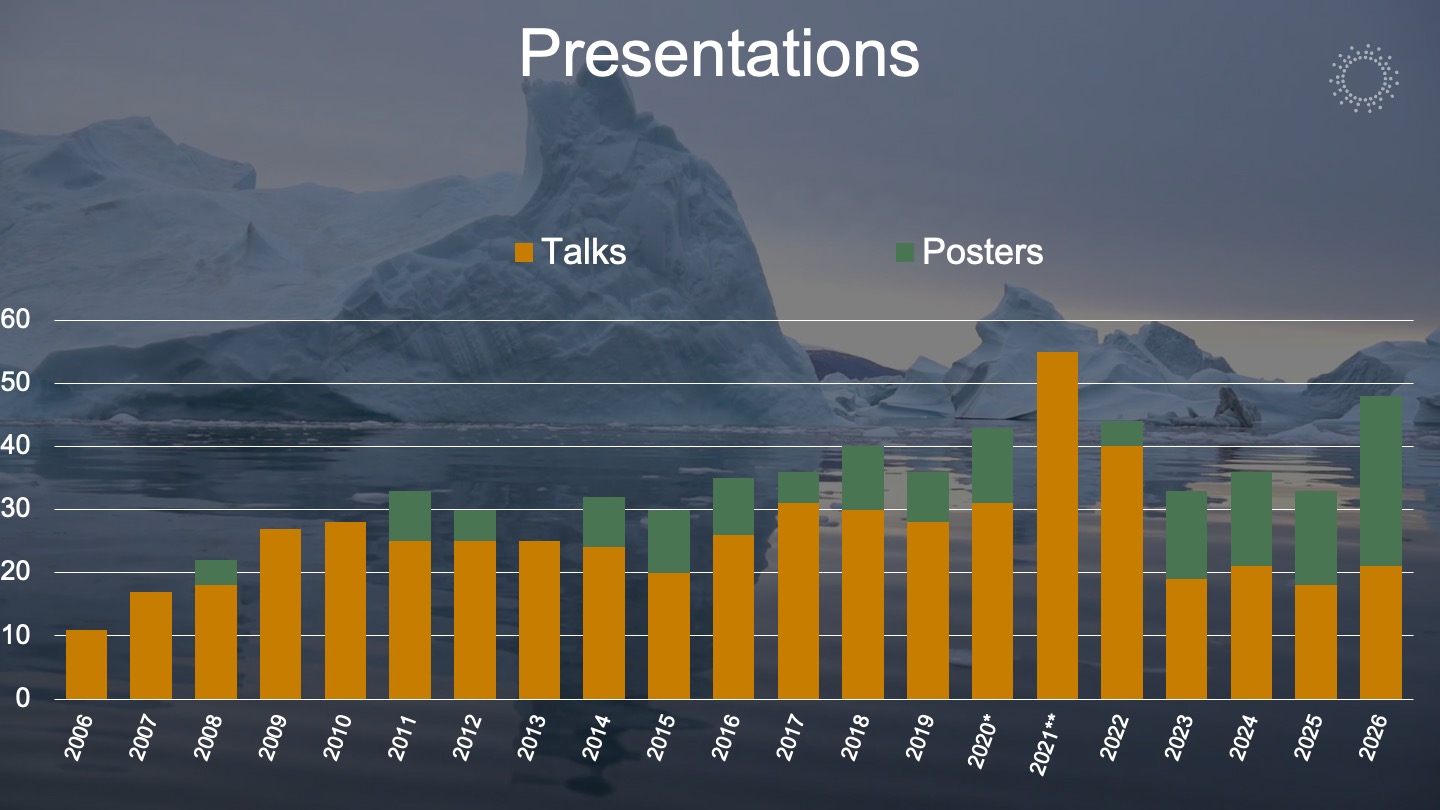
In 2006, the inaugural EnKF workshop was held in Voss, Norway, marking the beginning of an annual tradition. Throughout the years, the EnKF workshop has consistently attracted participants from a wide range of scientific disciplines. The cross-pollination of ideas and the exchange of scientific advancements have fostered vibrant discussions and elevated the workshop’s scientific calibre to a high level. As a result, the annual international EnKF workshop has now established itself as a paramount event within the data assimilation community.